

Astra Medicare
[email protected]
 (905) 497-7744
  • Treatments
    • Acne Scars Removal
    • CO2 Laser Skin Resurfacing
    • Forma Facial Skin Tightening
    • CoolForm by Luvo
    • HydraFacial®
    • Inmode Body and Face Shaping
    • Inmode Morpheus8
    • Intimate Health
    • CoolSculpting Fat Freezing
    • Tixel® for Face & Body
    • SylfirmX for Melasma and Pigmentation
    • Laser Hair Removal
    • GentleMAX Spider Vein
    • GentleMAX Nail Fungus
    • GentleMAX Skin Tightening
    • Bela MD Facial
    • Facial Treatments
    • EMS Pelvic Floor Chair
    • Latisse for Lashes
    • Lumecca IPL Skin Rejuvenation
    • Massage Treatments
    • Clear & Brilliant Laser
    • Teeth Whitening
    • Skin Brightening Solutions
    • Skincare Products
  • Injectables
    • Body Fillers
    • Fat Dissolving Injections
    • Botox Nuceiva Dysport
    • Botox for Migraines
    • Botox for Excess Sweating
    • Mesotherapy
    • Dermapen
    • Dermal Fillers
    • IV Therapy
    • PRP Hair Face Knee
    • PRP Intimate Injectables
    • PRP Facial
  • IV & Vitamin Therapy
    • Glutathione IV For Healthy Skin
    • Vitamin C IV
    • M.I.C. Injections for Fat Burning
    • IV Vitamin Cocktails
  • Specials & Promotions
  • About
    • Our Staff
    • Our Partners
    • Blog
    • Events & Seminars >
      • Events
    • Financing
    • Loyalty Program
    • Referral Program
    • Reviews & Testimonials
    • Franchising
    • Policies
  • Locations
  • Shop
    • Astra MD
  • BOOK ONLINE

PRP for Hair Loss: The Complete Guide for Men and Women

6/16/2026

0 Comments

 
magnified hair follicles

PRP for Hair Loss: The Complete Guide for Men and Women at Astra Medicare®

Most articles treat hair loss like one problem. It is not one problem. Men and women lose hair in different ways. They lose it for different reasons too. PRP even works a bit differently for each one.

Maybe you have read about PRP for thinning hair before. Maybe the advice did not feel quite right for you. This guide might explain why.

This guide breaks it all down in plain words. We will explain what PRP is. We will explain how it works. We will explain why men's hair loss and women's hair loss are not really the same thing. Then we will walk through what happens at your visit. We will cover who makes a good candidate. We will cover what real results look like too.

What Is PRP for Hair Loss?

PRP stands for Platelet-Rich Plasma. It uses your own blood to help hair grow back thicker. Here is how it works, in simple steps.

First, a nurse draws a small amount of blood from your arm. This feels just like a regular blood test. Next, that blood goes into a machine called a centrifuge. The centrifuge spins very fast. It separates your blood into different parts. One part is full of platelets. Platelets are tiny cells that help your body heal. That platelet-rich part gets injected into your scalp. It goes right where your hair is thinning.

We covered this process in more detail in an earlier article called The Medical Secret to Stopping Hair Loss at the Source. That article also explains how PRP pairs with vitamin injections. This guide goes a little deeper into the science. It also covers something that article did not: how PRP works differently for men and for women.

The Growth Factors Doing the Real Work

Platelets do more than stop bleeding. They are loaded with proteins called growth factors. Doctors have names for these, like PDGF, VEGF, EGF, and IGF. You do not need to remember those letters. You just need to know what they do.

One growth factor helps your scalp grow new blood vessels. This brings more oxygen and nutrients to your hair follicles. Another growth factor wakes up follicles that have gone quiet. It works a bit like flipping a light switch back on. A third one helps skin cells repair themselves faster. A fourth one helps hair stay in its growing phase longer. That means it falls out less often.

When all of these work together, thinning hair gets a real chance to grow back stronger.

Why Timing Matters So Much

Hair does not grow all the time. It moves through stages. First comes the growing stage. Doctors call this anagen. It can last for years. Then comes a short resting stage. After that comes a shedding stage. The old hair falls out. This makes room for new hair to grow.

PRP works best on follicles that can still enter that growing stage. This is the main reason to start PRP early. Catch your hair while follicles are weak but still alive. Waiting until they shut down completely makes treatment much harder. Once a follicle is truly gone, no treatment can wake it back up.

Why Men's and Women's Hair Loss Are Not the Same Condition

This is the part most guides skip. It is also the whole reason this guide is split the way it is.

How Hair Loss Usually Looks in Men

Most men lose hair in a pattern. It often starts at the hairline. The hairline moves back, especially at the temples. A thinning patch often shows up at the crown too. Doctors call this male pattern hair loss. Another name for it is androgenetic alopecia.

The main cause is a hormone called DHT. DHT can shrink hair follicles over time. This mostly happens in men whose genes make them sensitive to it. Because the pattern is so predictable, it is often easier to plan treatment around it.

How Hair Loss Usually Looks in Women

Women's hair loss tends to look different. Most women do not see a receding hairline. Instead, they notice thinning spread across the top of the head. The part line often keeps getting wider too. The hairline itself usually stays put.

The causes are often more layered for women. Hormone shifts can play a role. So can pregnancy and the months after giving birth. Thyroid changes, low iron, and conditions like PCOS can matter too. We wrote about the link between PCOS and hair thinning in our PCOS awareness article. It is worth a read if any of this sounds familiar.

Why This Changes the Treatment Plan

The patterns are different. So the way PRP gets applied is different too. For men, injections often focus on the hairline and the crown. These are the two areas under the most pressure. For women, the plan usually spreads more evenly across the scalp. This matches how the thinning itself tends to spread.

How often you need sessions can change too. It depends on what is actually driving your hair loss. This is exactly why a real consultation matters. A one-size-fits-all plan just does not work as well.

PRP for Men: What to Know Before You Book

Here is the most useful thing to know if you are a man with thinning hair. PRP works best on hair that is thinning. It does not work as well on hair that is already gone. Has your hairline been receding for ten years? Does the skin underneath look smooth and shiny? Those follicles may no longer be active. PRP cannot bring back what is not there anymore.

But maybe you are catching it early. Maybe your hair is just getting finer or coming in patchy. In that case, PRP can genuinely help. It can slow things down. It can help thicken the hair you still have.

The timing also works out well this month. June is Men's Health Month. Men's Health Week runs from June 15th to 21st. It ends right on Father's Day. A lot of men put off check-ups in general. Maybe you have done the same with your hair. This is as good a week as any to book the consultation.

PRP for Women: What to Know Before You Book

Here is the most useful thing to know if you are a woman with thinning hair. PRP tends to work especially well on diffuse, all-over thinning. That is the pattern female hair loss usually causes. The follicles across your scalp are often weakened, not destroyed. That gives PRP more to work with.

Maybe you recently had a baby. Maybe you went through a big hormone shift. Maybe someone told you your hair loss is just stress. It is worth getting a real scalp check before you assume nothing can help.

Who Is a Good Candidate, and Who Should Wait

Good Candidates

You are likely a good candidate if your hair loss is early or moderate. Your follicles should still be there, even if they are weak. You should want thicker, healthier hair. PRP works with what your body already has. It cannot replace hair that is permanently gone.

Who Should Hold Off

PRP is not right for everyone. Are you pregnant? Do you have an active scalp infection or certain skin conditions? Are you taking blood-thinning medication? Do you have certain blood disorders? If so, talk to a doctor first. This list is not complete. It is not meant to replace medical advice.

This is exactly why every PRP treatment at Astra Medicare® starts with a real consultation. It is never just a quick sign-up form.

What Happens During a PRP Session at Astra Medicare®

Consultation and Scalp Check

Your first visit starts with a look at your scalp. The team will also ask about your medical history and your goals. This is where they figure out your pattern. Does it look like male pattern hair loss? Female pattern hair loss? Something else worth checking first? This step decides the plan.

The Blood Draw

Next comes a simple blood draw. It feels just like a routine blood test. It only takes a few minutes.

Spinning and Separating

Your blood goes into the centrifuge next. It spins until the platelet-rich plasma separates from the rest. This usually takes about ten to fifteen minutes.

The Injections

A numbing cream goes on first. This keeps things comfortable. Then the plasma gets injected into your scalp. It goes into the areas that need it most. This follows the pattern mapped out during your consultation.

Aftercare

Most people go right back to their day after a PRP session. You will be told to skip a few things for about 24 to 48 hours. Avoid intense exercise. Avoid hot showers. Avoid harsh hair products. This gives your scalp time to settle.

How PRP Compares to Other Hair Loss Treatments

PRP vs Minoxidil and Finasteride

Minoxidil is the kind you rub on. Finasteride is a pill, used mainly by men. Both work by changing the chemistry around your hair follicles over time. PRP works differently. It uses your body's own healing signals instead of a drug.

Some people use PRP alongside one of these treatments. It does not have to be either-or. This is worth bringing up at your consultation.

PRP vs Hair Transplant Surgery

A hair transplant physically moves hair follicles. It moves them from one part of your scalp to another. PRP does not move anything. It strengthens what is already there.

Some people have more advanced hair loss. For them, a transplant may be the better fit. Sometimes PRP gets paired with a transplant afterward too, to help with healing. We will cover this full comparison in an upcoming article. It really deserves its own deep dive.

PRP Paired with Vitamin Injections

Your follicles need more than just growth factors. They need steady nutrition too. That is why PRP is often paired with vitamin injections. You can see our full options on our vitamin IV menu.

Together, these support hair from the inside and the outside. We explained this pairing in detail in our earlier hair loss article, so we will not repeat the whole thing here.

What Results Actually Look Like

It Builds Slowly, on Purpose

PRP does not work overnight. It is not supposed to. Most people notice less shedding within the first month or two. Stronger, thicker strands tend to show up over the next couple of months. The fullest results usually take about six months. That is how long it takes for new hair to grow in and mature.

Be Honest About What PRP Can and Cannot Do

PRP makes your existing hair healthier and stronger. This includes any follicles that are still alive. PRP does not create brand new follicles. It cannot bring back hair from skin that has gone smooth and scarred.

Has someone promised you a full head of hair after just a couple of sessions? That promise is not honest, no matter how far along your hair loss is. At Astra Medicare®, the goal is always an honest plan. It is based on what your scalp can realistically do.

How Many Sessions You Will Likely Need

Most people start with three to four sessions. These are spaced about four to six weeks apart. After that, many patients come back for a maintenance session. This usually happens every six months to a year. It just keeps things on track.

Frequently Asked Questions

Does PRP actually work, or is it just placebo?

PRP has real, biological growth factors behind it. It is not just a hopeful idea. That said, results vary from person to person. It works best on hair that is thinning, not hair that is completely gone.

Is PRP the same treatment for men and women?

The blood draw and injection steps are the same. What changes is where the injections go. How often you need them can change too. It depends on your specific pattern of hair loss.

Is PRP painful?

Most people describe it as a series of small pinches. A numbing cream is used first to keep things comfortable.

How soon will I see results?

Most people notice less shedding within the first couple of months. Fuller results build over about six months.

Can I use PRP along with minoxidil or finasteride?

Many people do. Bring this up at your consultation. Your provider can build a plan around everything you already use.

Is PRP safe if I am pregnant or breastfeeding?

PRP is generally not recommended during pregnancy. Talk to your doctor first. Bring it up at your consultation too.

Will I need to keep getting PRP forever?

Most people move to a maintenance schedule after their first series. This is often just once every six months to a year. It is not an ongoing, frequent commitment.

Why Choose Astra Medicare® for PRP Hair Restoration

Every PRP treatment at Astra Medicare® is performed by a Registered Nurse. This happens under the direction of Dr. Svitlana Blesko and the clinical team. That matters, because PRP is a real medical process. It is not just a quick cosmetic touch-up.

Astra Medicare® has also earned real recognition. Corporate Vision named it the Best Non-Surgical Health Care Company for 2024. It has also won the Consumer Choice Award in the Cosmetic Procedures category for two years running.

Is cost part of what is holding you back? Astra Medicare® offers financing through Affirm. This lets you spread out the cost of treatment. There is also a free loyalty program. It can save you up to 20 percent on future visits.

You can find full details on the PRP treatment page. Astra Medicare® has locations in Brampton, Toronto, and Kitchener.

Book Your PRP Consultation

Hair loss is not something you have to just accept. Maybe you are a man watching your hairline move back. Maybe you are a woman noticing your part line getting wider. The first step is the same for everyone. Get an honest scalp assessment. Work with a team that actually understands the difference between male and female pattern hair loss.

Book your free consultation at Astra Medicare® in Brampton, Toronto, or Kitchener.

  • Brampton: (905) 497-7744
  • Toronto: (416) 771-4040
  • Kitchener: (416) 254-4777
0 Comments

The Medical Secret to Stopping Hair Loss at the Source

8/26/2025

0 Comments

 
Picture

It’s Hair Loss Awareness Month — the perfect time to talk about a problem that affects millions of Canadians but is rarely discussed openly. If you’ve noticed more hair in your brush, your shower drain, or on your pillow, you’re not alone.

At Astra Medicare, with clinics in Brampton, Toronto, and Kitchener, we see patients every week who feel frustrated and discouraged by thinning hair. Many have already tried shampoos, oils, and supplements with little to no success. The truth is, most of these solutions never address the real problem: the health of your hair follicles.

The good news? Modern medicine has uncovered a way to stop hair loss at the source — and even help you regrow your own natural hair.

Why Most Hair Loss Products Fail

You’ve seen the ads for “miracle” shampoos and topical treatments. They often sound promising, but they only work on the surface.

Here’s why most products fail:

  • They don’t penetrate the follicle, where the real problem lies.

  • They ignore blood circulation, which is essential for follicle health.

  • They delay proper treatment, allowing hair loss to progress.

Think of your scalp like a garden. You can water the soil all you want, but if the roots are damaged or starved of nutrients, nothing will grow. To truly restore hair, you have to revive the roots.

The Real Cause: Follicle Starvation

Each hair follicle is like a tiny factory. It needs a steady supply of oxygen, nutrients, and growth signals to function. But stress, aging, and hormonal changes reduce circulation to the scalp. Without blood flow, follicles shrink, hair strands weaken, and eventually, growth stops altogether.

Once a follicle dies, it cannot be revived. That’s why early action is critical. The sooner you treat thinning hair, the more hair you can save.

The Medical Secret: PRP for Hair

One of the most effective, scientifically-backed treatments available today is PRP (Platelet-Rich Plasma) therapy.

PRP uses your own blood’s healing properties to repair and reactivate dormant follicles:

  1. A small sample of your blood is drawn.

  2. It’s spun in a centrifuge to isolate platelet-rich plasma.

  3. That plasma — rich in natural growth factors — is injected into thinning areas of your scalp.

PRP improves blood flow, stimulates cell repair, and essentially “wakes up” struggling follicles so they can grow thicker, healthier hair again.

At Astra Medicare, our specialists are trained in advanced PRP techniques to maximize results, with treatments tailored to your unique hair loss pattern.

The Power of Vitamin Injections

PRP restores circulation, but your follicles also need nutritional support. That’s where vitamin injections come in.

Delivered directly into your bloodstream, vitamin injections provide your follicles with the nutrients they need to thrive:

  • Biotin (B7): Strengthens strands and prevents breakage.

  • Vitamin B12: Improves red blood cell production for better oxygen delivery.

  • Vitamin D: Helps restart follicle growth cycles.

  • Essential minerals (iron, zinc, amino acids): Keep hair strong and healthy.

This powerful combination — PRP + vitamin injections — addresses hair loss from both sides: circulation and nutrition.

Who Can Benefit?

You may be a great candidate for PRP and vitamin injections if:

  • You’re noticing early or moderate thinning at the crown, temples, or part line.

  • You’re shedding more than usual in the shower or when brushing.

  • You’ve tried topical products or supplements with little success.

  • You want real results without surgery or long downtime.

Our specialists at Astra Medicare can determine the right plan for your stage of hair loss during a consultation.

What Results Can You Expect?

Results vary, but most patients notice changes within months:

  • Month 1–2: Less shedding, healthier-feeling scalp.

  • Month 3–4: Stronger strands, new “baby hairs” in thinning spots.

  • Month 6+: Visible improvement in density and thickness.

With maintenance sessions, many patients enjoy long-term hair growth and a boost in overall scalp health.

Why Take Action This Month

Since it’s Hair Loss Awareness Month, there’s no better time to act. Every month you wait, follicles risk shutting down permanently.

By starting now, you give your hair the best chance at recovery — and you may even prevent the need for more invasive treatments later.

What to Expect at Astra Medicare

Patients often ask if PRP is painful. Most describe it as a series of quick pinches, with optional numbing available for comfort. Sessions typically last under an hour, with no downtime — you can go right back to your day.

Vitamin injections are even faster and virtually painless. Together, these treatments provide a safe, effective, and natural way to restore hair health.

At Astra Medicare, we pride ourselves on combining medical expertise with a warm, supportive environment. Our team is here to guide you every step of the way.

Hair Loss Awareness Month Offer

To mark Hair Loss Awareness Month, Astra Medicare is offering:

  • Free Hair Growth Assessment at our Brampton, Toronto, and Kitchener clinics.

  • Special Awareness Month Savings: 10% off your first PRP session when you book this month.

Appointments are limited — and so is the window of time to save your follicles before they’re gone for good.

Stop Hair Loss at the Source

Hair loss doesn’t happen overnight, and neither does hair restoration. But with PRP and vitamin injections, you can finally treat the root cause — not just the symptoms.

This Hair Loss Awareness Month, give your hair a fighting chance. At Astra Medicare, our medical team is here to help you regain not just your hair, but also your confidence.

Book your free consultation at our Brampton, Toronto, or Kitchener clinic today, and take the first step toward thicker, healthier hair.

0 Comments

PRP for Hair Loss - Is it the Ultimate Solution to Halt Thinning Hair?

1/31/2024

0 Comments

 
PRP for hair loss male model

Hair loss is a common issue affecting people all over the world. For example, research shows that more than 36% of Canadian men experience hair loss of some form or another in their lifetime.

Various treatments for hair loss are available, and platelet-rich plasma (PRP) therapy is one of the most innovative. Keep reading to discover why it could be the ultimate solution.

What is PRP therapy?

PRP therapy is a form of treatment that uses your own blood, or specifically the plasma within the blood. One of the most well-known forms of PRP therapy is the “vampire facial”, which can increase collagen production and cultivate smoother, younger-looking skin.

How does PRP therapy work?

PRP therapy treatment begins with taking a blood sample from one part of the body (often the arm), then inserting it into a centrifuge. This machine spins the sample at incredibly high speeds to separate the platelet-rich plasma from red blood cells.

Platelets are tiny cells within the bloodstream. Whenever you cut your skin, platelets bind together to fix damaged vessels and form blood clots to stop you from bleeding.

Once the plasma is separated, it is placed in a needle and injected into a specific area — in this case, the scalp. The plasma releases powerful growth factors that can increase the number of cells performing skin repairs at the injection site.

How does PRP help treat hair loss?

Injecting platelet-rich plasma into the scalp can boost circulation and encourage a better supply of blood to the affected follicles. That may promote more active growth and leave hair looking thicker.

Hair loss can affect different areas of the scalp depending on the cause. Common hair-loss sites include the crown and the hairline.

Regardless of the factors causing hair loss, it’s crucial that you undergo a thorough consultation with a trained treatment provider before you try PRP therapy. They will be able to assess your scalp, discuss your hair loss, and explore how PRP therapy could restore hair growth. After the consultation, you will have a clearer idea of how the process works and what to expect.

What causes hair loss?

Hair loss can be caused by a number of factors. These include:

Family history

Sadly, men and women may inherit baldness. One of the most common types of hair loss is male- or female-pattern baldness (androgenetic alopecia), which causes gradual thinning across the scalp.

Pattern baldness often begins with a receding hairline, thinning at the crown, bald spots elsewhere, or a combination. This can be a particularly difficult form of hair loss to deal with, especially when it reaches its most extreme stages.

Hormonal fluctuations

Hormones can have a major impact on hair growth. Women may start to lose their hair following pregnancy and during menopause, as the female body undergoes significant hormonal fluctuations during both events. Hair loss related to menopause, for example, is caused by a drop in estrogen levels.

Medical conditions

Various medical conditions can lead to hair loss. Alopecia is a well-known condition that causes hair to fall out in patches on the scalp or other areas of the body. It occurs when the immune system sees hair follicles as a threat and mistakenly attacks them. According to the Canadian Dermatology Association, around 2% of the population experience alopecia in one form or another during their lifetime.

The extent of hair loss can vary from one type of alopecia to another. For example, alopecia totalis is a particularly severe form of alopecia that affects the entire scalp. Individuals living with alopecia totalis will develop complete baldness on top of their head. However, alopecia universalis extends beyond the scalp and can strip the entire body of all its hair.

Medications and treatments

Certain medications and treatments can trigger hair loss, such as those for heart problems, cancer, and high blood pressure. Hair may start to grow back after treatment ends, though that might not always be the case.

Extreme stress

Cortisol levels in the body increase when you feel stressed, and chronic cases can prompt cortisol to hinder hair growth. Such extreme stress could be caused by an illness, severe shock, or major physical injury. Stress-related hair loss is usually temporary.

Tight hairstyles

Repeatedly wearing hair in an extremely tight style, such as cornrows, can cause traction alopecia. These styles pull on the hair constantly, which leads to shedding in one or more areas.

What should you expect with your PRP for hair loss?

Whatever the cause of your hair loss, PRP therapy may be able to help promote new, stronger regrowth. You may feel daunted by the prospect of undergoing any type of treatment for hair loss, but PRP therapy involves only injecting your own blood back into your body (just in a different form).

Your pre-treatment consultation is a crucial opportunity to discuss your hair loss and what the treatment can do for you. If you have any concerns you want to address, the consultation is the perfect time.

The process is usually quite fast, and should take no more than one hour (though that can vary). You will need a series of PRP therapy sessions, typically spaced around one month or so apart, to achieve your hair growth goals.

As with almost any type of treatment for hair loss, PRP therapy carries a risk of potential side effects. These include:

  • Infection
  • Scar tissue
  • Dizziness
  • Irritation as the skin heals
  • Blood vessel injuries

All potential side effects can be discussed during your consultation for your peace of mind. PRP for hair loss may not be right for you if you are currently taking blood thinners or smoke heavily (which can impair circulation).

Book your PRP for hair loss consultation at Astra Medicare

PRP for hair loss may be an effective way to restore hair growth on your scalp, using your own blood. At Astra Medicare, all PRP treatments are only performed by a Registered Nurse (RN) with access to the latest facilities.

To book your PRP for hair loss treatment, get in touch with Astra Medicare today.

0 Comments

Here Is How Platelet-rich Plasma (PRP) Improves Hair Loss

2/27/2022

0 Comments

 
PRP for hair loss - beautiful hair model

Here Is How Platelet-rich Plasma (PRP) Improves Hair Loss

Hair loss affects people of different genders, ages, and hair types. This may be a temporary issue that results from illness, medication, extreme stress, hormonal fluctuations, or other causes. Or it can be a permanent condition that leaves the scalp partially or fully bald.

For example, according to the Canadian Dermatology Association, male pattern baldness, a genetic condition inherited from relatives, affects around half of men. And about 40% of females experience some level of hair thinning by the time they turn 50, typically due to a combination of genetics and hormones.

Regardless of the factors contributing to hair loss, it can be an incredibly difficult process to experience. Fortunately, more treatments are available than ever today — including platelet-rich plasma (PRP) therapy.

But what is PRP therapy, how does it work, and how can it improve hair loss? We’ll answer these questions and more below.

What is Platelet-rich Plasma Therapy?

PRP therapy is an increasingly popular treatment for hair loss, though it’s also used to treat:

  • Acne scars
  • Wrinkles and lines
  • Dark spots
  • Stretch marks
  • Surgical scars

One of the most well-known types of PRP treatments is the “vampire facelift”, which can create smoother, more youthful-looking skin.

PRP therapy revolves around platelets, a critical component of your blood alongside red and white blood cells. Platelets are essential for promoting healing, stopping bleeding after an injury, and repairing damaged cells. If you cut yourself anywhere on your body, platelets will arrive at the site and start repairing the tissue right away, though the healing process could still take days.

The platelet-rich plasma contains more platelets than naturally found in blood, as well as essential growth factors and proteins to increase the speed of healing.

The PRP process begins with a medical professional drawing a sample of your blood with a needle. Next, they will place the blood into a machine known as a centrifuge: this will rotate the sample at high speed to separate the platelets and plasma from the rest of the blood’s components. The medical professional will then take the platelets and prepare them for injection back into the patient’s body.

With regards to PRP therapy for hair loss, the platelets are injected into areas of the scalp where hair has begun to fall out. A medical professional will examine your scalp thoroughly before your treatment to identify the area, or areas, most in need of attention.

How Does Platelet-rich Plasma Improve Hair Loss?

As PRP therapy boosts the number of cells undertaking repairs in the skin, it’s believed that it can cultivate stronger, healthier hair growth following a course of injections.

PRP treatments can also be highly beneficial following a hair transplant procedure. Transplantations involve harvesting hair follicles from the back and sides of the head, which are typically unaffected by pattern baldness and other types of hair loss. These donor follicles are implanted into areas with thinning hair on the scalp, such as the hairline or crown.

The two most popular types of hair transplant available are Follicular Unit Transplantation (FUT) and Follicular Unit Extraction (FUE). During FUT, surgeons cut a sample of tissue from the back of the head to harvest follicles, while FUE uses follicles sourced from multiple areas instead.

Injecting platelet-rich plasma into the scalp after a hair transplant can contribute to effective results by:

  • Making grafted hair stronger
  • Enable newly implanted follicles to survive
  • Promoting faster, healthier healing after transplantation
  • Help inactive follicles start working again, stimulating new growth

It’s believed that PRP therapy can improve circulation at the injection sites, ensuring that follicles receive healthier blood flow and the nutrients they need to function properly. It may also reduce inflammation surrounding follicles.

If you plan to try transplantation to restore hair on one or more areas of your scalp, PRP therapy may be the ideal complement to your surgery. Not only can it encourage faster recovery, it could also leave you with better hair growth down the line.

Are There Any PRP Side Effects I Need to Know About?

One of the biggest advantages of using PRP therapy for hair loss is that only your own blood is injected into your scalp, so there’s no risk of contracting a communicable disease from the treatment. It’s a safe procedure with the potential to promote healthier, denser hair growth.

However, potential side effects are a key consideration with any procedure involving needles. Possible effects include:

  • Formation of scar tissue
  • Infection
  • Nerve or blood vessel injuries
  • Calcification at sites of injections
  • Negative reaction to anesthesia

It’s crucial that you make the medical professional performing your PRP therapy aware of any bad reactions you may have had to past injections, and if you’re currently taking any medications that could cause blood thinning.

Furthermore, tell them if you’re nervous about having an injection — they should talk you through the procedure and help set you at ease for a more relaxing experience. Astra Medicare’s PRP therapy is a painless procedure performed by registered nurses in a comfortable, relaxing environment.

How Much Will I Pay for My PRP Therapy for Hair Loss?

Prices vary depending on the number of areas treated, the size of those areas, and other key factors. However, Astra Medicare is committed to delivering the highest standard of service at competitive prices. This applies to all of our treatments, including PRP therapy for hair loss.

Prices will be discussed with you during your consultation to ensure you make a fully informed decision and feel satisfied with the cost of your treatment.

How Can I Book a Consultation to Discuss My PRP Therapy for Hair Loss?

Astra Medicare provides PRP therapy, and an extensive range of other treatments, at our Brampton clinic. All PRP treatments are performed by registered nurses for your peace of mind.

Our team is happy to discuss your treatment and answer any questions you may have about PRP therapy. We offer 10% off on select PRP treatments for new patients, so book your free consultation now!

0 Comments

Platelet-Rich Plasma Therapy: 7 Things You Need to Know About PRP

9/7/2021

0 Comments

 
PLATELET-RICH PLASMA THERAPY

Platelet-Rich Plasma Therapy: 7 Things You Need to Know About PRP

Platelet-rich plasma (PRP) therapy is one of the most popular cosmetic treatments on the market.

Not sure what it is? The name might seem intimidating at first, but don’t worry — PRP is simpler than you probably expect.

And it could be just what you need to tackle your sagging skin, hair loss, or other cosmetic issues!

How? And what results can you expect to see?

Read on to discover everything you need to know about the power of PRP! 

PRP Uses Your Own Blood to Stimulate Skin Repair

Don’t like the idea of having foreign substances injected into your body?

That could put you off trying other treatments designed to combat common signs of aging. But that’s not an issue with PRP.

Why? Because this treatment uses a sample of your own blood to improve your skin’s appearance. Yes, really!

It’s all about the plasma. This is a crucial part of your blood, filled with proteins (or “factors”) that perform essential functions — including cell growth support.

That means injecting PRP into tissue stimulates production of healthy new cells and encourages healing. Your skin will look younger and smoother over time.

Here’s how it works:

  • A registered nurse draws a sample of your blood (the size varies based on the target area)
  • They insert the blood into a centrifuge
  • The centrifuge spins the sample at high speeds to separate the plasma
  • Your nurse prepares the plasma to be injected back into your body

You’ll need multiple sessions to achieve your ideal results, but you’ll talk this through with your nurse before treatment.

PRP Can Help With Hair Loss

The average person sheds between 50 and 100 hairs a day. That’s not a problem when new strands grow to replace them. But conditions like male pattern baldness and alopecia areata cause hair to fall out in greater numbers than usual. And new hairs won’t take their place.

Fortunately, PRP therapy can restore healthy growth naturally by repairing cells in the scalp.

You might prefer this option over more invasive ones, such as hair transplant surgery.

PRP Boosts Skin Elasticity

Collagen and elastin keep your skin thick, tight, and firm. But your body stops producing both as much as it used to with age — creating sagging skin.

The older you get, the saggier your skin will start to look, especially around the chin, cheeks, and neck. But platelet-rich plasma therapy stimulates collagen and elastin with your own blood, so it’s a fantastic way to improve your skin tone and texture without surgery.

Sagging areas should feel more youthful after a series of PRP injections. Speak to your nurse about the spots you want to focus on before your treatment begins. They’ll explain the process and help you understand what results to expect.

PRP Improves the Appearance of Wrinkles

Along with sagging skin, wrinkles and fine lines are another common sign of aging. They’re more visible on some skin types than others, such as dry skin.

Wrinkles form when your skin gets thinner and loses its elasticity (hello, collagen and elastin!). But other factors can increase the visibility of wrinkles and trigger their development earlier than you might expect. These include:

  • Smoking
  • Regular dehydration
  • Prolonged exposure to UV rays
  • Medications that dry the skin

PRP stimulates tissue repair and helps to rejuvenate skin. That means wrinkles should be less noticeable after you complete the recommended course of sessions.

PRP Reduces the Visibility of Scars

Do you have scars in areas you can’t (or struggle to) cover up?

Scarring on the arms, legs, face, or neck may all be more visible than you’d prefer, especially in warmer weather. But PRP therapy could improve the appearance of your scars and make them harder for people to see.

Plasma injected into your body repairs damaged tissue cells and replaces them with new, healthy ones. Your skin should look smoother, and your scars will be less noticeable than usual.

PRP Can Make Stretch Marks Less Noticeable

Stretch marks are a natural result of fast changes in the shape of your skin. Maybe you’ve had a baby, or lost a lot of weight through diet and exercise. Whatever the cause, stretch marks can be difficult to accept if they’re in an easy-to-see spot.

And even though stretch marks tend to fade over the years, they can still seem very noticeable to you. Sounds familiar?

You can try PRP treatments to address stretch marks on your stomach, legs, or buttocks. They’ll revitalize the skin and make stretch marks harder to see.

PRP Results Can Last for Months

Your PRP injections will need a little time to take effect. Your skin won’t look totally different after a single session — you’ll require several to get the best results.

How long will it take to see a difference? You’ll probably notice positive changes within a few weeks or months, whether that’s increased hair growth or less-visible wrinkles.

How long do they last? It varies, but patients can enjoy lasting improvements for as long as 18 months after they complete their series of treatments.

Your nurse will explain what results you can expect based on your goals, your skin, and other important factors.

How to Book Your First PRP Therapy Session in Brampton

Feel inspired to try PRP?

Want to talk to an experienced expert about your options before you commit?

Astra Medicare is here to help!

All treatments are performed by registered nurses supervised by a medical doctor for your complete peace of mind. Relax and leave our specialists to work knowing you’re in the best hands.

We use cutting-edge facilities for the most professional, efficient PRP therapy in Brampton. Your treatment will start with a free, no-obligation consultation — the perfect opportunity to talk about your skin, your objectives, and your concerns.

And we’ll answer questions on any of our other treatments, including massage, laser spider vein removal, Clear + Brilliant, and more!

Book your PRP consultation and take the first step towards smoother, healthier skin today!
0 Comments

What I Wish I Knew About PRP Treatment

9/3/2020

0 Comments

 
PRP treatment

What I Wish I Knew About PRP Treatment

In the past few years, Platelet Rich Plasma (PRP) has become a popular treatment for combating the signs of aging. It’s a non-surgical option that utilizes cutting-edge technology and techniques to create visible improvements in the skin.

But what is PRP, how does it work, and what results can you expect? These are questions people may wish they’d asked before trying this state-of-the-art treatment — so we’ll answer them for you in this post.

How PRP treatment works

Platelet Rich Plasma treatment is designed to help your body repair damage using its own substances — specifically, the blood.

The plasma within your blood is made up of platelets, rich in growth factors. Plasma itself consists of glucose, clotting factors, proteins, and hormones.

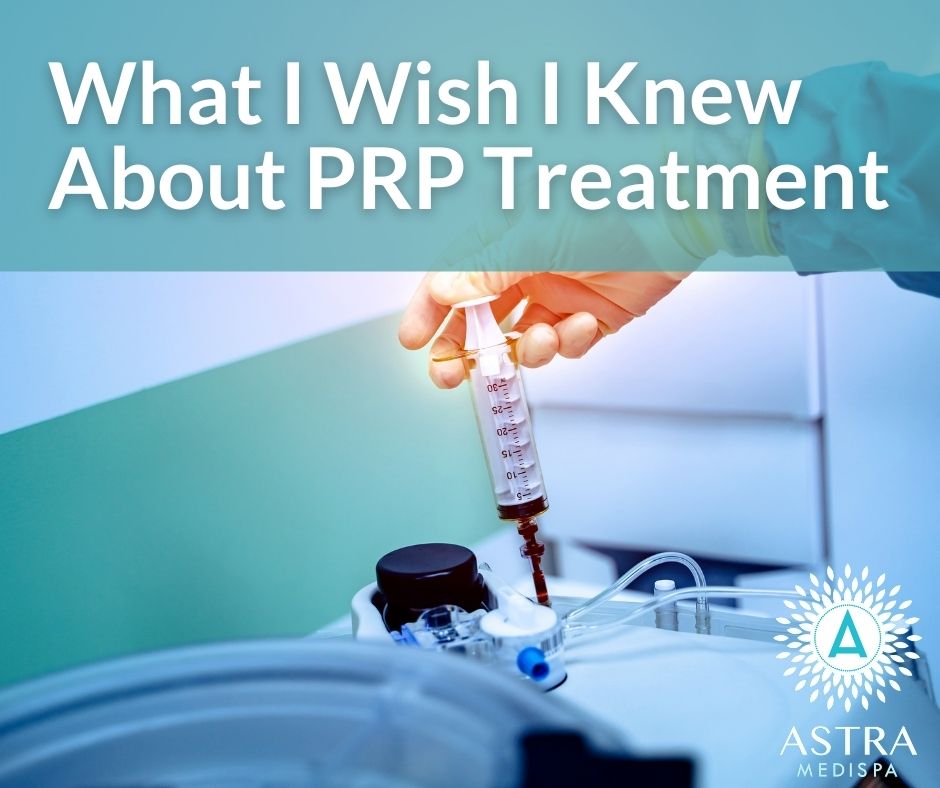
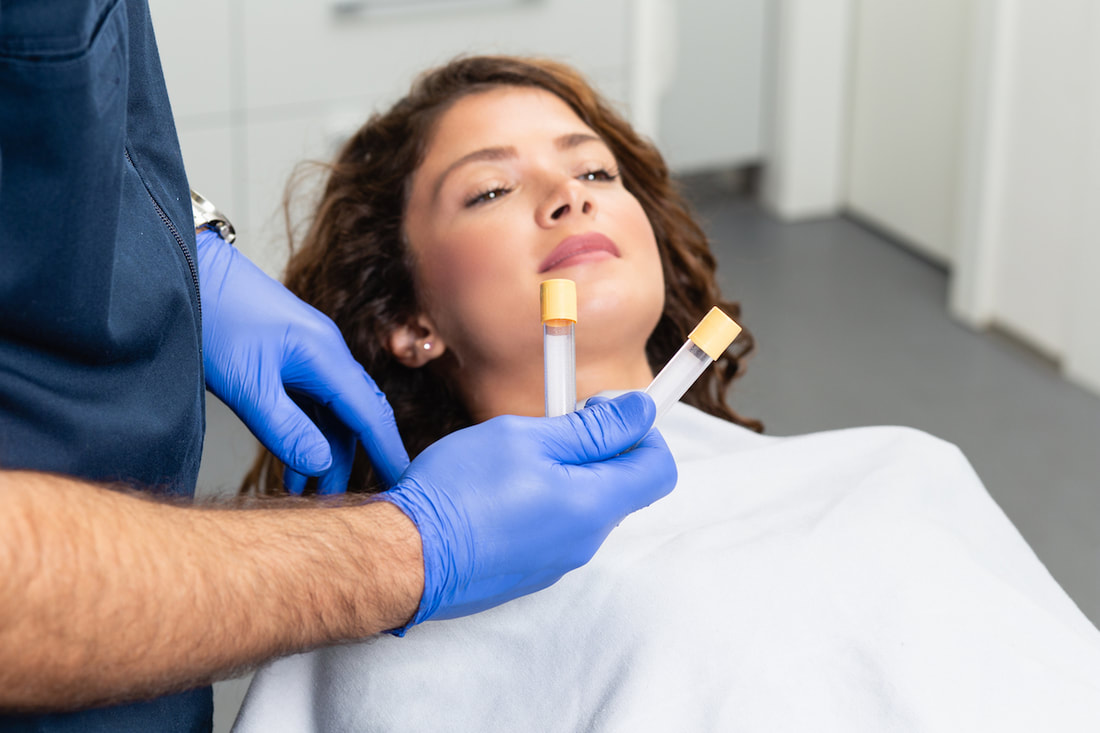
PRP involves taking a sample of blood from your arm as you would for any standard blood test, and separating the platelets in a centrifuge. This spins the blood at very high speeds to cause the platelets to shift away from each other.

The separated plasma is removed and prepared to be injected back into the body, in one or more target areas. As the plasma releases growth factors, it stimulates and boosts the number of cells performing repairs within your skin.

As a result, PRP treatment can lead to enhanced elastic and collagen production — making your skin more elastic, firmer, and youthful. That’s why it’s used commonly to:

  • reduce the visibility of fine lines and wrinkles
  • combat the visibility of dark circles forming underneath the eyes
  • reduce the appearance of stretch marks
  • decrease the visibility of scars, including those related to acne
  • increase the healing speed of tendon and/or ligament damage

PRP treatment is commonly used to enhance the appearance of the skin on the face, hands, and neck. However, it suits other needs, too:

  • O-shots involve injecting PRP into the female genitals to increase sexual arousal and natural lubrication
  • P-shots are designed to improve sensitivity in the penis, while increasing length and girth
  • Platelet Rich Plasma therapy is also utilized to treat hair loss and restore growth in balding/thinning areas

What should you expect during your PRP treatment?

First and foremost, there’s no need to worry about discomfort during PRP therapy — there’s little to none. This is a simple procedure based around injections, and we use the safest, latest equipment for your total peace of mind.

The risks of experiencing any side effects as a result of your PRP therapy are incredibly slim, but we want you to be aware regardless. As PRP is an autologous treatment (relying on substances taken from you directly), the danger of experiencing an allergic reaction as you might from certain other medications is significantly reduced.

Other side effects may include:

  • tissue damage
  • infection
  • injuries to the nerves
  • discomfort at the site of injection(s)

Again, you’re unlikely to be affected by any of these, but we want to draw your attention to these potential side effects and help you make an informed decision.

What will happen before my PRP treatment?

It’s crucial that you know exactly how your PRP therapy will unfold, from the moment you step into the treatment room to the moment you leave. We’ll discuss the process with you at length during your consultation, and determine whether PRP therapy is the right option for you based on your goals, health status, etc.

However, typical recommendations for anyone preparing to undergo our PRP therapy include:

  • avoiding alcohol for a brief period before your treatment
  • abstaining from caffeine (in coffee and other drinks or supplements)
  • avoiding anti-inflammatories
  • eating nutritious, healthy foods
  • being as well-rested as you can be ahead of your treatment

Certain recommendations may vary from one case to another, but generally, we advise you to follow the steps discussed above.

How long will my PRP treatment take?

Your PRP therapy session should take no longer than an hour and a half, though it may run longer or shorter (so allow at least a couple of hours, just in case).

Typically, it takes around half an hour to take a sample of your blood and process the platelets, preparing them to be reinjected into your system. Another half hour or so may be required to inject them and bring the treatment to a close, though it could take less time than this.

We’ll be able to offer a more accurate timeframe during your consultation, but use the above as an approximate guideline when planning your schedule.

What happens after my PRP procedure?

The average recovery time after a Platelet Rich Plasma injection tends to fall within three or four hours, but it could vary from case to case. You may experience some swelling, tenderness, or bruising shortly after the injections, though they will pass fairly quickly.

If you want to minimize any swelling or bruising that might occur, apply cold packs to the treatment areas gently. Avoid washing these areas for at least 24 hours, and stay out of direct sunlight. Skip hot showers and baths, too.

You should allow the treatment area(s) to rest and recover immediately after your PRP therapy. You will likely be able to continue with your usual or planned activities following your session, such as going back to work (unless you have a physically-exerting job) or shopping.

Over the following weeks, you should notice positive changes to the skin in the treated areas. This may include tighter skin, less-visible wrinkles, and a better appearance overall.

We’ll provide you with any further advice on the day of your treatment, and will be available to answer any questions you may have.

That brings our post on what you need to know about PRP treatment before you try it for yourself to a close. We hope it answers all of your questions, but if not, you know where to find us.

Ready to book your own PRP therapy session or just want to learn more about your options? Get in touch with our team today!
0 Comments

What is Platelet-rich Plasma (PRP) and What can it do for You?

2/11/2019

0 Comments

 
PLATELET-RICH PLASMA (PRP)

What is Platelet-rich Plasma (PRP) and What can it do for You?

Platelets are blood cells performing multiple roles in your body:

  • They encourage blood clotting to stop you bleeding excessively when you’re injured, even if you’ve only suffered a tiny cut
  • Your platelets’ growth factors help wounds heal, making them critical to a healthy body

Astra Medi Spa’s PRP therapy revolves around using plasma (liquid blood) which has been augmented to carry many more platelets than it normally would. As a result, an area of skin affected by a specific issue or condition will be given a higher concentration of those all-important growth factors, to look and feel better than ever.

How do PRP Treatments Work?

During PRP therapy, a sample of your blood will be taken and the platelets inside will be separated from the other cells using a centrifuge.

This spins them at a high speed until they’re ready to be injected into the target zone, with as much as 10 times more platelets than occurs naturally.

Using PRP Treatments for Healthier-looking Skin

Astra Medi Spa’s specialists use PRP to harness your own healing power and improve various cosmetic conditions, including:

Fine lines / wrinkles

Fine lines and wrinkles are the most recognizable signs of aging. They can be pretty difficult to accept, especially if you feel you’re starting to develop a few more than you should.

We’ll inject platelet-rich plasma into the target area(s) of your face to reduce the visibility of these wrinkles, stimulating production of collagen and elastin. You’ll look rejuvenated and more youthful following the number of treatments required.

Dark circles

Dark circles make you look more tired — and, sadly, older — than you might actually be.

Fortunately, we can inject PRP into the skin under your eyes to ease dark circles over time, which makes a great complement to treating other signs of aging.

Acne scars

Have acne scars you want to make less noticeable? They’re a common side-effect of this irritating skin condition, and PRP therapy sessions will make a visible difference to your scars in the long run.

This saves time covering them up with foundation or applying creams.

Stretch marks

Stretch marks caused by fluctuations in weight or pregnancy may be targeted with Platelet-rich Plasma treatments too. These affect the stomach, thighs or other areas of the body, and might be visible enough to affect your self-image.

How can you Arrange your Own PRP Treatment?

Our PRP therapy is a fantastic solution to help boost the skin’s look and feel, creating a more youthful aesthetic.

We know Platelet-rich Plasma treatments sound fairly daunting, but we’ll answer any questions you may have before and during your in-depth consultation. Our team’s dedicated to giving you all the details you need to know before you sign up for any of our PRP sessions.

Want to schedule a consultation for your own PRP therapy at Astra Medi Spa in Brampton?

It’s quick and easy — so get in touchwith our friendly team today!

0 Comments

    Author

    ​Dedicated and passionate Astra Medicare staff.

    Archives

    July 2026
    June 2026
    May 2026
    April 2026
    March 2026
    February 2026
    January 2026
    December 2025
    November 2025
    October 2025
    August 2025
    June 2025
    May 2025
    April 2025
    March 2025
    February 2025
    January 2025
    December 2024
    November 2024
    October 2024
    September 2024
    July 2024
    June 2024
    May 2024
    March 2024
    January 2024
    December 2023
    November 2023
    October 2023
    September 2023
    July 2023
    June 2023
    May 2023
    March 2023
    February 2023
    January 2023
    November 2022
    September 2022
    August 2022
    May 2022
    February 2022
    January 2022
    December 2021
    November 2021
    October 2021
    September 2021
    August 2021
    June 2021
    April 2021
    March 2021
    February 2021
    January 2021
    December 2020
    November 2020
    October 2020
    September 2020
    August 2020
    July 2020
    June 2020
    April 2020
    March 2020
    February 2020
    January 2020
    December 2019
    November 2019
    October 2019
    September 2019
    August 2019
    July 2019
    June 2019
    May 2019
    March 2019
    February 2019
    January 2019
    December 2018
    November 2018
    October 2018
    September 2018
    August 2018
    July 2018
    June 2018
    May 2018
    April 2018
    February 2018
    January 2018
    October 2017
    September 2017
    August 2017
    July 2017

    Categories

    All
    Acne
    Beauty
    Body Shaping
    Botox
    Breast Cancer Awareness
    CO2 Laser
    Compression Therapy
    Coolsculpting
    COVID-19
    Custom Orthotics
    Dermal Fillers
    Dermapen
    Exosomes
    Face Contouring
    Facial
    Fillers
    Foot Care
    Hair Removal
    Hydrafacial
    Hyperpigmentation
    Immune System
    Injectables
    Intimate Wellness
    IV Therapy
    Laser Hair Removal
    Leg Care
    Lip Fillers
    Mani/Pedi
    Massage Therapy
    Medical Spa
    Men's Health
    Mesotherapy
    Microneedling
    Morpheus8
    Nails
    Our Staff
    PCOS
    Physiotherapy
    Press Release
    PRP
    Relaxation
    Salmon DNA
    Skin Cancer
    Skin Care
    Skincare
    SPA
    Teeth Whitening
    Thread Lift
    Valmont Facial
    VAMP Treatment
    Vitamins
    Waxing
    Wedding
    Weight Loss
    Womens Health

    RSS Feed

Join the Success. Franchise With Astra Medicare.

brampton: (905) 497-7744
Toronto: (416) 771-4040
KITCHENER: (416) 254-4777

bbb seal logo
consumer choice 2024 logo
consumer choice award 2025 logo
consumers choice award 2026 logo
Top Choice Awards 2021
medispa gift card
top choice awards 2020 logo
astra medispa financing
CONTACT US:

BRAMPTON
Phone: (905) 497-7744
Fax: 1 (800) 549-3843
Email:
[email protected]

TORONTO
Phone: 
(416) 771-4040
Fax: 1 (800) 549-3843
Email:
[email protected]

KITCHENER
Phone: (416) 254-4777
​
Fax: 1 (800) 549-3843
Email: [email protected]


MAILING ADDRESS:
​
BRAMPTON
Astra Medicare®

210 Main Street, North
Brampton, ON
​L6V 1P2

TORONTO
Astra Medicare®
​1958 Avenue Road 
Toronto, ON 
M5M 4A1

KITCHENER
​
Astra Medicare®
450 Westheights Drive, Unit 22
Kitchener, ON
​N2N 2B9
HOURS OF OPERATION:
By appointment only.


BRAMPTON
Monday to Friday: 9:00AM - 7:00PM
Saturday: 9:00AM - 4:00PM
Sunday - closed

TORONTO

Monday to Friday: 10:00AM - 6:00PM
Saturday: 10:00AM - 4:00PM
Sunday - closed
SITE LINKS:
> Blog Articles
> Policies
> 
Franchising
Cancellation Policy:  A $50 deposit will be required upon booking an appointment, which will be applied to your treatment on day of arrival. 24hr notice will be required for cancellation. Failure to attend your scheduled appointment will result in loss of deposit.​
Privacy Policy | Policies
© 2017–2026 Astra Medicare. All rights reserved.
Astra Medicare® is a registered trademark.


  • Treatments
    • Acne Scars Removal
    • CO2 Laser Skin Resurfacing
    • Forma Facial Skin Tightening
    • CoolForm by Luvo
    • HydraFacial®
    • Inmode Body and Face Shaping
    • Inmode Morpheus8
    • Intimate Health
    • CoolSculpting Fat Freezing
    • Tixel® for Face & Body
    • SylfirmX for Melasma and Pigmentation
    • Laser Hair Removal
    • GentleMAX Spider Vein
    • GentleMAX Nail Fungus
    • GentleMAX Skin Tightening
    • Bela MD Facial
    • Facial Treatments
    • EMS Pelvic Floor Chair
    • Latisse for Lashes
    • Lumecca IPL Skin Rejuvenation
    • Massage Treatments
    • Clear & Brilliant Laser
    • Teeth Whitening
    • Skin Brightening Solutions
    • Skincare Products
  • Injectables
    • Body Fillers
    • Fat Dissolving Injections
    • Botox Nuceiva Dysport
    • Botox for Migraines
    • Botox for Excess Sweating
    • Mesotherapy
    • Dermapen
    • Dermal Fillers
    • IV Therapy
    • PRP Hair Face Knee
    • PRP Intimate Injectables
    • PRP Facial
  • IV & Vitamin Therapy
    • Glutathione IV For Healthy Skin
    • Vitamin C IV
    • M.I.C. Injections for Fat Burning
    • IV Vitamin Cocktails
  • Specials & Promotions
  • About
    • Our Staff
    • Our Partners
    • Blog
    • Events & Seminars >
      • Events
    • Financing
    • Loyalty Program
    • Referral Program
    • Reviews & Testimonials
    • Franchising
    • Policies
  • Locations
  • Shop
    • Astra MD
  • BOOK ONLINE
Proudly powered by Weebly